Source hiphop alloy cuban chain necklace for Decoration, Religious, Gift
Compare 30 listings of hiphop alloy cuban chain necklace with options in gold, silver, and stainless steel. Buyers can evaluate lengths from 40cm to 60cm, weights, and customization services for decoration, religious, and gift purposes; compare the available evidence and request quotations based on your requirements.
Key considerations
Products List


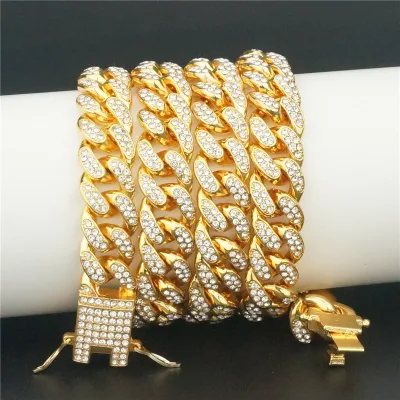


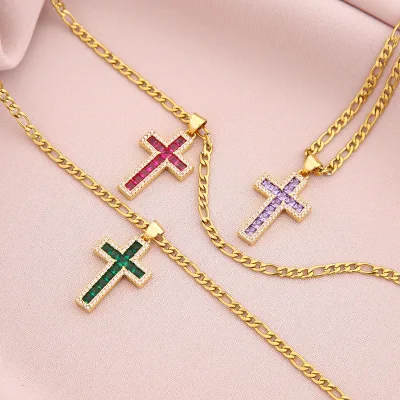
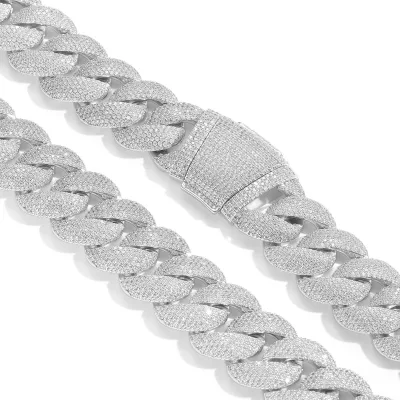

Comprehensive Sourcing Guide
Hiphop Alloy Cuban Chain Necklace Sourcing Guide
Sourcing hiphop alloy Cuban chain necklaces requires identifying suppliers who specialize in bold, statement jewelry designed for both male and female demographics. The observed market data indicates a strong presence of products originating from Yiwu, Zhejiang, and Guangzhou, China, where manufacturers leverage local supply chains to produce fashion-forward accessories. Buyers should prioritize vendors offering customization services, as the genre demands unique designs that align with specific brand identities or personal styles.
Procurement teams must verify that the selected inventory supports the intended usage, which often spans decoration, religious purposes, and general fashion statements. The product listings reveal a diverse range of materials, including alloy, stainless steel, and titanium, each offering distinct durability and aesthetic properties. It is critical to confirm that the plating options, such as gold, silver, or rhodium, meet the visual expectations of the target audience while ensuring the finish remains resistant to tarnishing over time.
Product Scope and Observed Listing Signals
The product scope for this category encompasses a wide variety of chain lengths, with observed specifications ranging from 40cm to 60cm, alongside specific models like AVA1289 and NAIYE005. Buyers should note that while some listings specify a standard length of 45cm, others offer multiple size options to accommodate different neck sizes and styling preferences. The pendant shapes vary significantly, with round and butterfly designs appearing in the catalog, suggesting a need to verify the exact silhouette required for the collection.
Listing signals also highlight the importance of packaging and weight standards, which serve as proxies for quality and shipping costs. Products are frequently packed in OPP bags or OPP boxes, with weights ranging from 6g to 135g depending on the model and material density. Procurement officers must cross-reference these weight standards against the material composition, as a 135g titanium piece will have different handling requirements and cost implications compared to a lighter alloy alternative.
Technical Specifications to Verify
Technical verification begins with the material composition, as the market offers alloy, stainless steel, and titanium options that dictate the necklace's longevity and hypoallergenic properties. Buyers must explicitly confirm the fabrication processing method, such as electroplating, to ensure the surface finish is applied correctly and will not peel under normal wear conditions. The setting type, including wax setting for stones, should also be validated to guarantee that any gemstones or decorative elements are securely attached to the chain structure.
Dimensional accuracy is another critical technical parameter, with specific model numbers like AVA1348 and 623577625284 associated with distinct size and weight profiles. It is essential to check the product standard values, which may be listed as weight measurements or specific industry codes, to ensure consistency across the order. Additionally, the plating variety, including rose gold, yellow gold, and black finishes, must be matched to the design brief to avoid discrepancies between the sample and the bulk production run.
Compliance and Safety Documentation
Compliance documentation is vital for importing jewelry into international markets, particularly when the products are intended for children or general public use. The observed listings mention SGS certification, which serves as a key indicator of material safety and chemical compliance. Buyers should request current test reports to verify that the plating materials and base alloys do not contain prohibited levels of lead, nickel, or cadmium, ensuring the jewelry meets the safety standards of the destination country.
Beyond material safety, the documentation must address the origin and manufacturing standards of the supplier. Products originating from Yiwu or Guangzhou should be accompanied by clear country-of-origin labeling and any necessary export certificates. It is also prudent to verify if the supplier holds additional certifications beyond the basic SGS mark, as this can streamline customs clearance and build trust with end consumers who are increasingly conscious of ethical sourcing and product safety.
Cost Drivers and Commercial Terms
Cost drivers in this sector are heavily influenced by the choice of material, with titanium and stainless steel generally commanding higher prices than standard alloy due to processing costs and raw material value. The weight of the item, ranging from 6g to 135g, directly impacts the material cost and shipping fees, making it a primary factor in budgeting. Buyers should analyze the price range of 0.64 to 66.5 USD to understand the correlation between material quality, weight, and the final unit cost for their specific order volume.
Commercial terms such as Minimum Order Quantity (MOQ) and lead times are equally critical for supply chain planning. The observed MOQs vary from 20 pieces to 120 pieces, with some suppliers requiring a minimum of 100 PCS for custom orders. Lead times can extend to 30-40 days, which necessitates early planning to avoid stockouts. Procurement teams must negotiate these terms carefully, balancing the need for customization with the constraints of production capacity and delivery schedules.
Supplier Qualification and Quality Control
Supplier qualification should focus on their ability to deliver consistent quality across different models and material types. The presence of OEM/ODM services indicates a supplier's capacity to adapt designs, but buyers must verify their track record for maintaining quality control during the customization process. It is advisable to request samples of different plating finishes and materials to assess the consistency of the electroplating and the structural integrity of the chain links before committing to a large order.
Quality control protocols must also address the packaging and labeling standards to prevent damage during transit. The use of OPP bags and strong cartons is common, but the specific packing requirements should be confirmed to ensure they meet the durability needs of the shipping route. Additionally, verifying the supplier's ability to handle specific product models, such as the AVA1371 or NAIYE005, ensures that the production line is equipped to handle the unique specifications of each item without compromising on finish or assembly.
Long-Term Procurement Checks
Long-term procurement success relies on establishing a reliable relationship with suppliers who can maintain consistent quality and pricing over time. Buyers should implement a system for periodic re-verification of material standards and plating durability, as these attributes can degrade if the supplier changes their sourcing or production methods. Regular audits of the supplier's facility and quality control processes will help identify potential issues before they impact the final product delivery.
It is also essential to monitor market trends and adjust the product mix accordingly, as the hiphop jewelry market is dynamic and style preferences shift rapidly. Maintaining a diverse portfolio of models, from the round pendants to the butterfly shapes, allows buyers to respond quickly to changing consumer demands. Continuous communication with the supplier regarding new certifications, material innovations, and production capacity will ensure that the supply chain remains resilient and competitive in the long run.
FAQs
What materials are used for hiphop alloy cuban chain necklaces?
These necklaces are primarily crafted from alloy, stainless steel, and titanium. The materials are selected for durability and resistance to tarnishing. Stainless steel and titanium options offer higher strength and hypoallergenic properties compared to standard alloy. This variety allows buyers to choose based on budget and wear requirements.
Can I customize the plating on these chains?
Yes, customization is available for plating finishes. Options include gold, silver, rhodium, rose gold, yellow gold, and black. Electroplating processes are used to apply these coatings. Buyers can specify their preferred color to match brand aesthetics or customer preferences for fashion and religious decoration purposes.
What are the standard lengths for these necklaces?
Standard lengths typically include 40cm, 45cm, and 60cm. The 45cm length is a common default for many models. These dimensions ensure a comfortable fit for male, female, and children wearers. Specific models may vary, so checking the product specification for exact length details is recommended before bulk ordering.
What is the typical MOQ for these products?
The minimum order quantity varies by supplier and product model. Observed MOQs range from 2 pieces to 120 pieces. Some specific models require a minimum of 100 pieces. Buyers should verify the exact MOQ for their chosen model, as it directly impacts initial inventory costs and sample ordering flexibility.
Are these necklaces suitable for religious use?
Yes, many models are explicitly designed for religious usage alongside decoration. They often feature pendant shapes like round or butterfly designs. The durable materials ensure longevity for daily wear. This dual purpose makes them versatile for both fashion statements and spiritual accessories in various cultural contexts.
How long is the delivery time for orders?
Delivery times generally range from 30 to 40 days. This lead time accounts for production, quality control, and shipping preparation. Buyers should plan their inventory accordingly to avoid stockouts. Expedited options may be available depending on the supplier's capacity and the specific customization requirements of the order.
What certifications are provided for these chains?
SGS certification is available for certain product models. This certification ensures compliance with specific quality and safety standards. Buyers requiring verified material safety or quality assurance should request SGS documentation. It is particularly important for markets with strict regulatory requirements regarding jewelry materials and plating safety.